


Linear Vibratory Feeder
Selecting the Right Linear Vibratory Feeder for Your Assembly Line
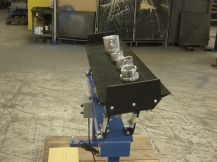
A Linear Vibratory Feeder is an automated device that uses electromagnetic or electromechanical vibration to transport singulated parts along a horizontal track. Engineers select these systems to bridge the gap between bulk orientation bowls and final assembly points while maintaining precise part timing. Consequently, these feeders provide essential buffering and high-speed transport for sensitive, finished, or irregularly shaped components.
Why Is Linear Vibration Essential for Part Handling?
Modern assembly lines require more than just movement; they require precision. A standard Linear Vibratory Feeder excels here because it offers controlled, directional flow. Unlike rotary systems, the linear motion allows for easy integration into tight factory footprints. Furthermore, this technology supports complex mechanical tooling along the entire length of the track. Additionally, CDS LIPE utilizes proprietary Dyna-Slide technology to enhance this motion.
How to Compare Linear Feeder Applications?
Process engineers must evaluate the specific needs of their components. Because parts vary in mass and fragility, one size does not fit all. Use the table below to identify the correct equipment for your application.
| Equipment Type | Primary Function | Ideal Part Characteristic |
| Linear Vibratory Feeder | High-speed transport | Precision machined components |
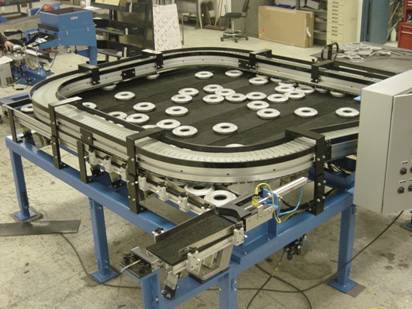
| Vibratory Accumulator | Zero back pressure storage | Heavy or bulky automotive parts |
| Vibratory Conveyor | Sorting and merging | Packaging and bulk materials |
| Flexible Automation Cell | Turnkey autonomous feeding | Multi-part families and near-square items |
What Makes the Dyna-Slide System Unique?
The Dyna-Slide Linear Vibratory Feeder is often called the "original flexible automation." It possesses the unique ability to handle square and near-square parts. Typically, standard feeder bowls struggle with these geometries. However, our simple, quick-change tooling allows one feeder to manage entire families of parts. Moreover, these systems operate quietly and safely. The non-marking surface ensures that "green" powdered metal or glass components remain pristine. Consequently, you reduce scrap rates and improve your Overall Equipment Effectiveness (OEE).
Solving Integration Challenges with Flexible Automation
Integration is the biggest hurdle for most program managers. Fortunately, our Linear Vibratory Feeder designs prioritize compatibility. We integrate these feeders with specialty automation devices and advanced controls. As a result, we create turnkey solutions for robot integration and machine tool loading. Whether you need to index, merge, or sort, the flexibility of linear vibration is unmatched. Specifically, our accumulators provide a vital buffer for high-volume lines. This buffer prevents downstream stoppages from affecting upstream productivity. Thus, the entire line maintains a steady, optimized pulse.

Why Trust CDS LIPE Engineering?
Our distinguished record in the material handling industry spans over five decades. We understand that efficiency and engineering provide your competitive edge. Therefore, we design every Linear Vibratory Feeder for long-term reliability. We offer professional services that turn complex handling problems into autonomous, maintenance-free solutions.

Expert Q&A: Linear Vibratory Feeder Technology
Q: What is the benefit of a Brushlon surface on a Linear Vibratory Feeder?
A: The Brushlon material creates a gentle wave motion. Therefore, it prevents marking on sensitive surfaces and significantly reduces operational noise levels.
Q: Can a linear feeder handle parts that are nearly square?
A: Yes. While rotary bowls often fail with these shapes, the Dyna-Slide linear system uses specialized tooling to orient near-square parts accurately.
Q: How does a vibratory accumulator achieve "zero back pressure"?
A: The directional vibration allows parts to move independently. Consequently, parts do not push against one another, which protects delicate packages from crushing.
Q: Is it possible to feed multiple part families in one feeder?
A: Yes. We design our feeders with quick-change tooling. Thus, you can swap tracks easily to accommodate different part sizes and shapes.
Q: What industries benefit most from linear vibratory technology?
A: Automotive, pharmaceutical, and electronics industries heavily rely on these feeders. Specifically, any line requiring high-speed, non-damaging part transport needs this technology.
CDS LIPE stands ready as your trusted engineering partner to ensure a reliable and maintenance-free assembly line.